
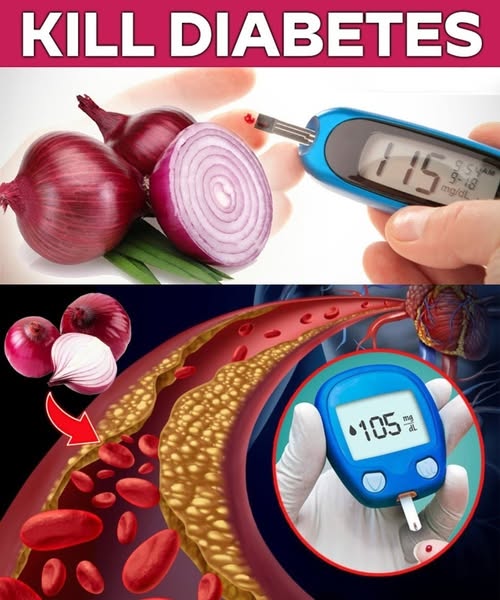
A simple, nourishing recipe that supports blood sugar balance and cardiovascular health
Description
This warm onion and garlic skillet is rich in plant compounds like quercetin and sulfur compounds, which are linked to improved heart health and better insulin sensitivity. It’s low in sugar, low in saturated fat, and easy to add to meals like rice, eggs, or vegetables.
Prep & Cook Time
-
Prep: 5 minutes
-
Cook: 15 minutes
-
Total: 20 minutes
Servings
2–3 servings
Ingredients
-
2 medium red onions, thinly sliced
-
3 cloves garlic, minced
-
1 tbsp olive oil
-
½ tsp turmeric
-
¼ tsp black pepper
-
½ tsp dried oregano
-
Pinch of salt (optional, keep low for heart health)
-
1 tbsp lemon juice or apple cider vinegar
-
Optional: chopped parsley or cilantro
Instructions
-
Heat olive oil in a skillet over medium heat.
-
Add sliced onions and cook slowly for 8–10 minutes until soft and lightly golden.
-
Add garlic, turmeric, black pepper, and oregano. Stir and cook 1–2 minutes.
-
Turn off heat and stir in lemon juice or apple cider vinegar.
-
Garnish with fresh herbs and serve warm.
Notes & Tips
-
Slow cooking onions increases their sweetness naturally—no sugar needed.
-
Pair with lean protein (fish, beans, or eggs) to reduce blood sugar spikes.
-
Avoid over-browning to keep beneficial compounds intact.
-
Can be stored in the fridge for up to 3 days.
Nutritional Information (Approx. per serving)
-
Calories: ~110
-
Carbohydrates: ~12g
-
Fiber: ~2g
-
Fat: ~7g
-
Sugar: ~5g (naturally occurring)
-
Sodium: very low
Health Benefits (Evidence-Based)
 Onions
-
Contain quercetin, linked to improved insulin sensitivity
-
Support healthy cholesterol levels
-
Anti-inflammatory properties
Garlic
-
Supports heart health
-
May help regulate blood pressure
Olive Oil
-
Rich in healthy monounsaturated fats
-
Supports artery health
Q & A
Q: Can this cure diabetes?
A:  No. Diabetes cannot be cured with food. This recipe supports blood sugar management when combined with medical care.
Q: Can people with diabetes eat onions?
A:  Yes. Onions have a low glycemic load and are safe in moderation.
Q: How often can I eat this?
A: 3–4 times per week as part of balanced meals.
Q: Does it clean arteries?
A: No food can clean arteries. However, diets rich in vegetables and healthy fats support cardiovascular health.
Q: Can I eat it raw instead?
A: Yes—raw onions retain more quercetin but may be harder to digest for some people.